
The Relationship Between Youth Substance Use and Anxiety
Individuals with anxiety are 2x more likely to have a Substance Use Disorder (SUD). Learn why substance use and anxiety often have a reinforcing relationship in teenagers.
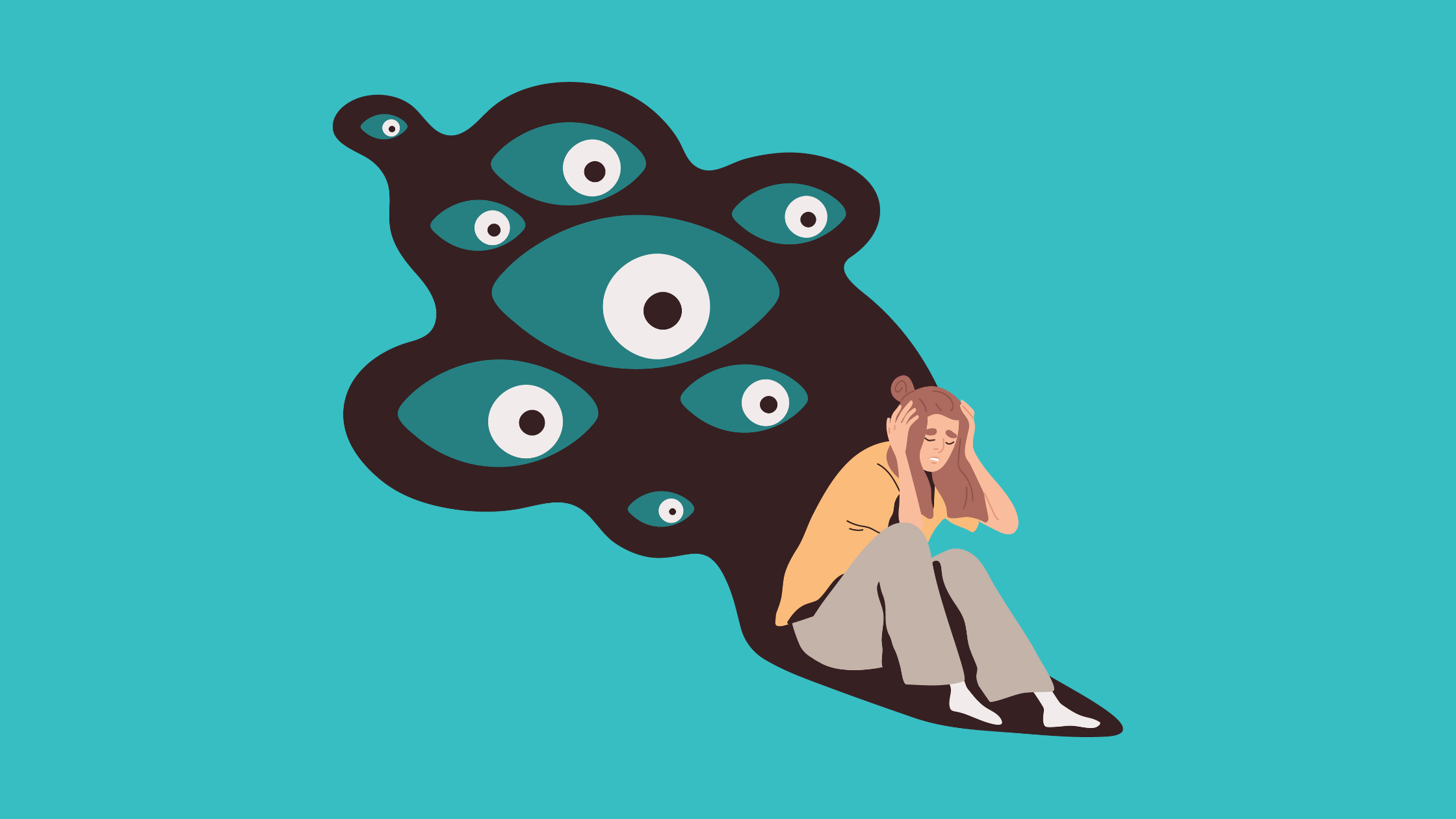
Navigating the modern landscape of parenting can be difficult when you're faced with seemingly ever-evolving speedbumps.
It's natural to feel confused or even heartbroken when you realise your teen might be using substances such as alcohol or cannabis. If you're looking for help with youth drug use and anxiety, then understanding their connection can help you provide the right support.
Have you ever wondered why your child might be using drugs or alcohol? It's not uncommon for teenagers to fall into substance abuse as a way to help 'manage' their anxiety or overwhelming emotions. Often, what looks like "acting out" is actually young people trying to escape from feelings they can't yet manage and turning to substances to self-soothe.
The challenge is that this "quick fix" is a bit of a trick. While substances like marijuana or alcohol might offer a moment of relief, the anxiety often returns even stronger once the effects wear off. This can create an endless loop where a teen feels they need more just to feel "normal" again.
The Impact of Substance Use on Teen Mental Health
It can be helpful to think of the teenage brain as a masterpiece still in progress. In adolescence, it’s still "under construction," which is why adding any substance to the mix is a bit like throwing a wrench into a delicate gear system. Using substances like alcohol, tobacco, cocaine and cannabis to numb anxiety disorders can make managing everyday emotions feel like an uphill battle. Consistent use can then cause the feelings that they're trying to escape, to be even louder.
Think of the teenage brain like a high-performance sports car that is still being built:
The Gas Pedal (The Limbic System)
This part of the brain is fully developed early on. It’s responsible for emotions, excitement, and rewards. In an adolescent brain, the "gas pedal" is floor boarded. Everything feels more intense; music sounds better, friendships feel deeper, and the "rush" of trying something new is much stronger than it is for adults.
The Brakes (The Prefrontal Cortex)
This part of the brain handles logic, impulse control, and long-term consequences. However, the brakes aren't fully installed until your mid-twenties, which means young adults have a powerful engine (emotions) but a weak braking system (impulse control). It’s not that they can't see the risk; it’s that the reward can feel so much bigger than the risk in the moment.
The "Wi-Fi" Upgrade (Myelination)
The brain is currently "pruning" away old connections and coating the important ones in a fatty layer called myelin. This is like upgrading from a free streaming account to paid. It makes the brain faster and more efficient. When you introduce drugs or alcohol during this "construction" phase, it’s like using too many screens at once on the same account. It creates a "Short Circuit" where the substances highjack the reward system, and since the brain is so malleable in a young person, it can learn to depend on drugs or alcohol for happiness or calm much faster than an adult brain would.
Explaining the "why" behind teenage behaviour — and why substances are so much riskier in adolescence — can also help take the heat out of a conversation. It shifts the focus from "you're doing something wrong" to "your brain is in the process of doing something amazing, and we want to help it."
Strategies for Addressing Teen Substance and Alcohol Use
When young people are struggling, it rarely stays in one corner of their life. You might see it showing up in their grades or a sudden change in their friend group. As a parent, try and pay close attention to any changes in behaviour, mood swings, and withdrawal from social activities. Ask yourself: have they suddenly stopped hanging out with their usual friends? Do they seem withdrawn or are they less talkative than usual? Being aware of these changes means that you can start a conversation at the first sign of distress.
Early Intervention and Open Communication
If you notice something out of the ordinary, start a conversation. The goal isn't to have a "perfect" talk. Simply saying, "Hey, I've noticed you’ve seemed a bit stressed lately. I just wanted to check-in and see how you were doing?" while driving in the car or washing dishes can be effective, as you’re approaching the subject with observation and curiosity instead of accusation.
Remember: this shouldn't be a confrontation. Open communication is your strongest ally and you can significantly improve outcomes by creating an open and honest environment.
Learn more about starting the conversation with a friend of family member here.
Do Your Research
Before you start the conversation, learn about the different Stages of Change which can help you identify what type of conversation might be helpful in your situation. Understanding the different types of substances as well as their short-term and long-term effects can also support a more honest conversation about risk and provide an opportunity to talk through harm reduction strategies. You can also investigate withdrawal symptoms — your teenager might need medical assistance to cut down safely.
You can read about the physical, emotional and behavioural signs of a drug or alcohol problem here.
Set Clear Boundaries
Setting clear boundaries and expectations around substance use can provide your teenager with the guidance they need. Focus on understanding the underlying reasons for their behaviour (such as mental health symptoms, anxiety or depression) and understand that even if you do manage to talk them into trying to quit, no change is going to last if they’re not ready to stop using.
Think about what else you want to achieve. Maybe you want them to be safe when they’re using, to start thinking about the consequences of their use, make sure they're aware of the long-term effects of adolescent alcohol use, or you just want them to know they can trust you and share their struggles.
Seek Professional Help
Counselling offers a supportive environment for teenagers to express their concerns, as well as provide them with coping strategies and a safe space for them to explore their emotions. Involve a mental health professional if your teenager is suffering from extreme anxiety, depression, psychosis, schizophrenia or other mental health challenges that may result in dual diagnosis.
While online chat counselling offers many advantages, there are times when other types of support are required. Find alternative support options here.
Encouraging Healthy Coping Mechanisms for Teens
Promoting healthy coping mechanisms is a proactive way to help your teenager manage stress and anxiety without resorting to substance use. Physical activities such as having them join local sports clubs or classes like yoga can have a positive impact on overall mental health. Exercise releases endorphins, which can alleviate anxiety and improve mood.
Creative outlets like music, art, or writing can also provide teenagers with a constructive way to express their emotions and be an effective outlet for managing stress and anxiety. Encourage your child to explore their interests and find activities that bring them joy.
Having a reliable group of people to turn to can make a significant difference in managing anxiety and stress. Try to build a support network for your child, full of relationships that uplift and support them.
By recognising the signs, fostering open communication, and accessing available resources, you can play a pivotal role in any reliance your child has on substances. Encouraging healthy coping mechanisms and seeking professional help when needed can pave the way for a brighter future.
Resources and Support Services in Australia
If you're looking for further supports, you can look into BreakThrough and Family Drug Help (FDH), who offer family and peer support programs. You can also visit our online community forum for family and friends to connect with others who are in a similar situation.
The Australian Drug Foundation also offers educational materials for parents and educators, helping you understand the complexities of substance use. Their resources cover a wide range of topics, so that you can make informed decisions and support your child effectively.
How to get rid of drug-induced anxiety?
Managing drug-induced anxiety begins with seeking professional help. Consulting a mental health professional or GP can provide guidance tailored to your specific needs. Incorporating relaxation techniques such as deep breathing, meditation, and yoga may also help alleviate anxiety symptoms. Building a strong support network through family and friends can offer additional emotional support.
How to help someone with mental health and drug issues?
Start by having an open, non-judgmental conversation about their struggles. Encourage them to seek professional help, such as therapy or counselling, and involve them in social activities that do not involve substance use. Help them to find appropriate resources and be patient, as this will be a gradual and non-linear process. Remember to care for your own well-being as well, and consider seeking support for yourself if needed
Does substance use make teen mental health issues worse?
Substance use in teenagers can cause existing mental health issues such as anxiety and depression to worsen over time. Substance use can impair brain development, affect emotional regulation and trap the user in a cycle of substances dependance. Encouraging open communication and providing access to mental health resources can help teenagers address their issues without resorting to substance use.

